

Fire Retardant Products
Why choose us
One-stop Solution
With our wealth of experience and personalized service, we can help you select products and answer technical questions.
Global Shipping
We cooperate with professional sea, air and logistics companies to provide you with the best transport solution.
Quality Control
Each batch of products has a corresponding quality inspection report to solve your doubts about the quality of the products.
Our Service
Customer service will update you with product logistics information in a timely manner to ensure that the goods are delivered on time.
What is Fire Retardant Composition
A Fire Retardant Composition is a substance utilized to slow down or halt the spread of fire or decrease its intensity.This is typically achieved through chemical reactions that reduce the flammability of fuels or delay their combustion. Fire Retardant Composition can also cool the fuel through physical actions or endothermic chemical reactions. They come in various forms, including powder for mixing with water, fire-fighting foams, fire-retardant gels, coatings, or sprays for application to objects.Fire retardants are utilized to impede or decelerate the progression of fire, either through physical obstruction or by inducing chemical reactions. Fire Retardant Composition is not limited to a single chemical composition but can be formulated from a combination of various properties.


Safety
Flame retardants can significantly improve the flame retardant properties of materials, prevent flaming combustion and smoldering (flameless burning, red-hot burning), thereby slowing down the spread of fire in the event of a fire, and providing more comprehensive protection for people's lives and property safety. protection.
Environmental Protection
The use of flame retardants causes less environmental pollution and can be recycled after use, reducing damage to the environment. Inorganic flame retardants do not produce toxic gases at high temperatures and can also reduce the amount of smoke produced when plastics are burned, which is in line with modern people's pursuit of environmental protection concepts.
Economy
By adding flame retardants, you can ensure that materials are less likely to burn in the event of a fire, thereby reducing casualties and material property losses, and reducing corporate risks. This helps enterprises save certain human, material and financial costs.
Persistence
Inorganic flame retardants have the advantages of good thermal stability, non-volatility, and long-lasting effects, and can maintain long-term flame retardant effects in polymer materials.
Applicability
Flame retardants are divided into two types according to their usage methods: additive and reactive. Additive flame retardants are easy to use, highly adaptable, and suitable for a variety of polymer materials. Reactive flame retardants participate in the polymer synthesis process to make the polymer itself contain flame retardant components, which has less impact on the performance of polymer materials.
Non-toxic
Some inorganic flame retardants such as aluminum hydroxide (ATH) do not produce toxic gases at high temperatures and are safe for the environment and human body.
Application of Fire Retardant Composition
Electronics And Electrical Devices
Electronics are a marvel of modern technology. We’ve learned to harness the power of electricity, and used it to do some pretty crazy things. However, these products can get overloaded and wires can get crossed, and sometimes they start fires. This area of consumer goods relies on fire retardant composition to prevent products from starting fires.
Building And Construction Materials
Construction materials have come a long way, and some of the most important advancements relate to safety. A hundred years ago, a house fire may have meant that the entire block or city went up in flames. Today, building materials are treated with fire retardant composition, meaning fires start and spread much more slowly in modern construction.
Home And Office Furnishings
Anything that is comfortable is typically flammable. From the wood frame, to the filling, to the upholstery, furniture is a tinderbox that speeds fires through homes. The flame retardant materials used in modern furniture give people much needed time to escape should a fire start indoors
Transportation
Most modern transportation still relies on internal combustion, so heat and fire come with the territory. They are also fitted with highly combustible fuel tanks. In the event that fire spreads through the conveyance, the fire retardant composition used in its construction may save your life.
Types of Fire Retardant Composition

Nitrogen-Based Fire Retardants
Fire retardants made from nitrogen incorporate nitrogen compounds which help reduce the flammability of materials. Common examples of nitrogen-based fire retardants include guanidine phosphate, melamine cyanurate, and melamine.
Phosphorus–Based Fire Retardants
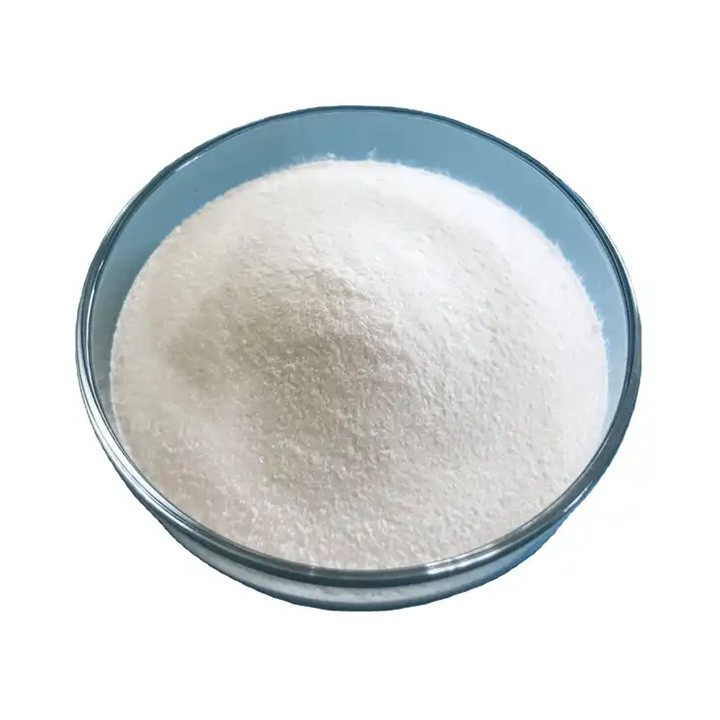
Phosphorus-based fire retardants are designed to prevent combustion. Common ingredients in phosphorus-based fire retardants include ammonium polyphosphate, and phosphorus-based esters like triphenyl phosphate.

Halogenated Fire Retardants
Halogenated fire retardants are composed of halogen elements such as chlorine or bromine. They function by reducing the flammability of materials and retarding the spread of fire. This is often achieved by producing halogen radicals when exposed to high temperatures, which interact with combustion radicals and interrupt the chemical reactions that sustain fire.Tetrabromobisphenol A (TBBPA), polybrominated Diphenyl ethers (PBDEs), and hexabromocyclododecane (HBCD) are commonly used.

Inorganic Fire Retardants
Inorganic fire retardants are added to products to reduce flammability and slow down the spread of fire. Unlike carbon-based fire retardants, inorganic fire retardants are composed of minerals and non-carbon-based compounds. They work by forming a protective layer, producing water vapor, or diluting the concentration of flammable gasses.Inorganic fire retardants include phosphate-based retardants that contain various compounds like diammonium phosphate and ammonium polyphosphate. Halogen-based fire retardants include chlorine and bromine compounds that work by releasing halogen radicals when exposed to heat.
Fire Retardant Composition should have the following characteristics
High Effectiveness: The flame retardant should effectively prevent or suppress the spread of fire.
Non-toxicity: It should be safe for human skin contact and not release toxic fumes when exposed to heat.
Durability: The flame retardant should maintain its effectiveness over time, even after repeated washing or exposure to sunlight.
Environmentally Friendly: It should not have negative impact on the environment.
Cost-effective: The flame retardant should be affordable and economically viable for widespread use.
Easy To Apply: The application process for the flame retardant should be straightforward and efficient.
What Are Fire Retardant Composition Made of?
Elements
Fire retardants incorporate several key elements, each contributing to their overall efficacy
Phosphorous
One fundamental element found in fire retardants is phosphorous. Phosphorous compounds create a barrier that inhibits the release of flammable gases during a fire. This process interrupts the chain reaction necessary for sustained combustion.
Nitrogen
Nitrogen is another essential component, often present in the form of ammonium compounds. This element dilutes oxygen levels near a fire, making it more difficult for the flames to sustain themselves. Nitrogen-based compounds also absorb heat, further hindering the combustion process.
Bromine
Bromine-containing compounds are commonly used in fire retardants because they can interfere with the chemical reactions during combustion. Bromine captures free radicals, preventing them from participating in the chain reactions that propagate a fire.
How to Choose Fire Retardant Composition
Regulatory Compliance
Fire-retardant materials must comply with all relevant fire-retardant regulations.
Durability
There are some factors that can impact the lifespan and durability of fire protection or fire-retardant materials, these include: Chemical composition and construction. What makes up the fire-retardant material? What is the durability or resistance level of the material to heat or flame?
Risk Assessment
When using fire-retardant materials, make sure that you assess the risks involved and any potential danger that could arise from using these materials.
Cost
When selecting flame-resistant materials for regular use, it is best to look for a material that has fire-resistant properties already infused into its structure. On the other hand, when selecting inherently flame-resistant material, it is wise to consider how it tested when subjected to the limited oxygen index (measures ease fire extinguishment) before considering cost savings.
How do Fire Retardant Composition Work?
The vapor phase inhibition
The vapor phase inhibition approach to flame retardants aims to interrupt the radical gas phase of a fire. By disrupting the phase in which flammable gas is released the system is cooled and the supply of flammable gas is reduced or suppressed.Bromine Flame Retardants (BFRs) are the most prolific flame retardant used for their vapor phase inhibition properties. Bromine in particular is used because as it is heated the compound releases active bromine atoms into the gas phase, before the material reaches its ignition temperature. These atoms quench the chemical reaction occurring within the flame and either extinguish the fire or slow the spread of the fire–such that there is increased escape time or increased time to attempt other means of fire extinction.
Solid phase char flame retardants
Solid phase char flame retardants are designed to build up the char layer, once the fire has begun. What is particularly interesting about the formation of char is it can have a two-fold benefit. It hinders the release of combustible gasses while also forming a protective layer that shields the underlying material from the heat of the flame.Melamine-based flame retardants are commonly used for their solid phase char functions. These flame retardant compounds fall into the category of nitrogen flame retardants. When in the condensed phase the molecule structures transform into cross-linked structures. That is when the transformation process occurs and char is formed.
Quench & cool systems
Quench & cool systems utilize hydrated minerals because of the endothermic reaction that occurs when the system is heated. In the presence of fire, the hydrated minerals release water molecules that cool the polymer and interrupt the combustion process. In more simple terms, the release of water is chemically induced and the system is then cooled such that reactive gasses are not released and therefore cannot burn.Aluminum and magnesium hydroxides are two compounds that interfere with the burning process through the release of inter gases (like water vapor). In this process a protective char layer is formed or energy absorption–the amount of energy available for the spread of fire–is reduced.
Our Factory
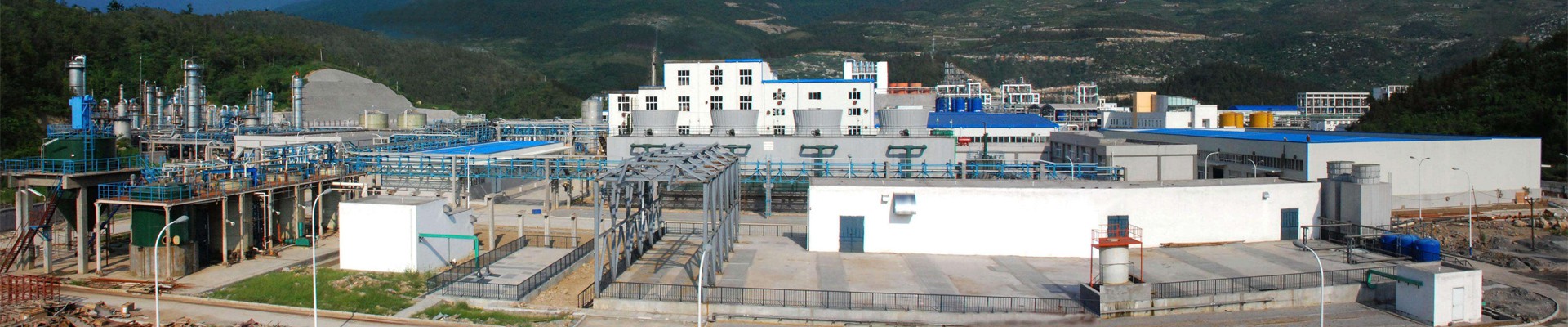
MOSINTER GROUP was founded in 2004. The head office is located in Ningbo, China. Production facilities are located in Zhejiang, Jiangsu and Shandon provinces in China. MOSINTER GROUP, specialized in the production and marketing of chemical products, has superior production equipment and a high-performance sales team, as well as advanced production technology, comprehensive quality management system and modernized testing methods.


FAQ
As one of the most professional fire retardant products manufacturers and suppliers in China, we're featured by quality products and competitive price. Please rest assured to wholesale bulk fire retardant products from our factory.