

Polyurethane Additive Chemicals
Why choose us
One-stop Solution
With our wealth of experience and personalized service, we can help you select products and answer technical questions.
Global Shipping
We cooperate with professional sea, air and logistics companies to provide you with the best transport solution.
Quality Control
Each batch of products has a corresponding quality inspection report to solve your doubts about the quality of the products.
Our Service
Customer service will update you with product logistics information in a timely manner to ensure that the goods are delivered on time.
What is Polyurethane Additive Chemicals
Polyurethane additives are substances mixed into polyurethane during its manufacturing to enhance its properties or performance. These additives can include catalysts, which speed up the chemical reaction to form polyurethane; stabilizers, to improve resistance to heat and light; flame retardants, for safety in fire-prone environments; and colorants for aesthetic purposes. There are also additives that enhance flexibility, durability, or provide specific characteristics like antimicrobial properties. The choice of additives depends on the intended use of the polyurethane, whether it's for insulation, furniture, caster wheels, or other applications.


Benefits of Polyurethane Additive Chemicals
Versatility
A Polyurethane Additive Chemicals when combined with an epoxy primer can be applied on most types of material. It can be used on structural steel, non-ferrous metals, engineered foam systems, engineered plastic systems, and more. Once cured, Polyurethane Additive Chemicals do not contain harmful chemicals so there is no worry if it is appropriate to use this finish material. (It is not clear what is trying to be said in this prior letter).The versatility of polyurethanes is one of the reasons why it is one of the most widely used coating materials in all manner of construction including sealants, adhesives and coatings
Safety and Application
Polyurethane Additive Chemicals is made from natural molecules called monomers. It gets its name from the word “polymer” which is a long chain of repetitive monomers.After it has cured, it does not emit harmful vapors. So, it is safe for people, animals, and the environment.It is important that when Polyurethane Additive Chemicals are being spray applied that the applicator and those in the immediate area, wear appropriate personal safety equipment. Once polyurethanes cure, they are very safe.Polyurethane Additive Chemicals should be applied by experienced applicators who have the knowledge, skills and proper equipment to successfully and safely apply Polyurethane Additive Chemicals.
Aesthetics
Polyurethane Additive Chemicals can bring out the beauty and natural aesthetics of substrates. In solid colors and metallics, Polyurethane Additive Chemicals can make surfaces look wet or reflect with a mirror finish. For interior wood finishes, Polyurethane Additive Chemicals will bring out the beauty and preserve the look of fine furniture and cabinetry. For stone, Polyurethane Additive Chemicals can create a glaze that will add a shine giving a deeper reflective look that livens up the stone surfaces. In architecture, Polyurethane Additive Chemicals are used on metal surfaces and cementitious surfaces to not only add a long-term finish but also to improve cleanability and graffiti resistance.
Improved Durability & Energy Savings
The extraordinary weathering protection a Polyurethane Additive Chemicals to building materials improves the substrates' durability, providing extended life-cycle service. Due to the tightly bound resin structure, Polyurethane Additive Chemicals don't scratch as easily as many ordinary paints and coatings that are much less robust.Just by adding a Polyurethane Additive Chemicals coat, you can add multiple years to a building's exterior life-cycle. For this reason, Polyurethane Additive Chemicals are used on a variety of surfaces of commercial buildings including metal roofs, window mullions, doors, structural elements, metal stairwells, building panels handrails, and signage.
Paints And Coatings
Polyurethane Additive Chemicals can be used as an additive in paints and coatings to improve their performance.it can improve the adhesion, wear resistance, chemical resistance, and weather resistance of coatings, while also increasing the coating's hardness and scratch resistance. Polyurethane Additive Chemicals is widely used in industries such as automobiles, aerospace, and furniture to produce create high-quality coatings.
Adhesive
Polyurethane Additive Chemicalse can be used to manufacture adhesives for bonding different types of materials, such as metal, plastic, rubber, wood, etc. It can provide strong adhesion and has good chemical resistance and elasticity. Polyurethane Additive Chemicals are widely used in industries such as automobiles, construction, furniture, and packaging.
Textile Coating
Polyurethane Additive Chemicals can be used to manufacture coatings for textiles. This coating can enable spinning textiles have waterproof, wear-resistant, and stain resistant properties, while also improving the softness and comfort of textiles.Polyurethane Additive Chemicals textile coatings are widely used in outdoor equipment, work clothes, and sportswear.
Printing Ink
Polyurethane Additive Chemicals can be used to manufacture printing ink for printing various materials, such as paper zhang, plastic, metal, etc. It can provide highly transparent, wear-resistant, and chemically resistant inks, while also being able to improve the quality and stability of printed materials. Polyurethane Additive Chemicals printing ink is widely used in advertising, packaging, and publishing and other industries.
Types of Polyurethane Additive Chemicals

Catalyst
The polyurethane synthesis reaction requires a catalyst. Commonly used metal catalysts include organic tin compounds and organic mercury compounds, which can promote the formation of polyurethane and increase the reaction rate and conversion rate. Epoxy compounds are also often used to catalyze polyurethane reactions, forming reactive oxygen ether bonds and promoting the reaction of isocyanates and polyols.

Stabilizer
In order to improve the stability of polyurethane and prevent aging and deterioration, commonly used additives are antioxidants, such as hydroxybenzoate, etc. During the production and use of polyurethane, it is very important to avoid oxidation. The addition of antioxidants, such as diaryl hydroquinone, can extend the service life of polyurethane.

Plasticizer
Plasticizers, such as epoxidized polyols, can provide flexibility and bending and increase the ductility of raw materials and improve the processing properties of polyurethanes. Hydrophobic plasticizers can increase the water resistance and moisture resistance of materials, and commonly used ones include phosphate triesters.

Pigments and fillers
Pigments can give color and appearance to polyurethane, and also play anti-corrosion and anti-ultraviolet functions. Commonly used ones include metallic pigments and organic pigments. Fillers can improve the physical properties of polyurethane, such as strength, compression performance and thermal conductivity. Commonly used ones include alumina and spherical silicon carbide.
Trends in the Polyurethane Additives Market
Rising Demand for Bio-Based Additives
The Polyurethane Additives Market is witnessing a growing demand for bio-based additives as companies prioritize sustainability and environmental concerns. Bio-based additives, derived from renewable sources such as plant oils and biomass, offer a more sustainable alternative to traditional petroleum-based additives. This trend is driven by the increasing focus on reducing carbon footprint and meeting stringent environmental regulations.
Focus on Flame Retardant Additives
Flame retardant additives are gaining traction in the Polyurethane Additives Market, especially in industries where fire safety is a critical consideration. These additives enhance the fire resistance of polyurethane materials, making them suitable for applications in construction, automotive, and electronics. With stringent safety regulations in place, the demand for flame retardant additives is expected to rise steadily.
Growth of Water-Based Additives
Water-based additives are emerging as a popular choice in the Polyurethane Additives Market due to their eco-friendly properties and low VOC emissions. These additives offer improved compatibility with water-based polyurethane systems, enabling manufacturers to create environmentally friendly products. The demand for water-based additives is driven by the need for sustainable solutions and compliance with regulatory standards.
Antioxidant Additives for Enhanced Stability
Antioxidant additives are essential for improving the stability and longevity of polyurethane materials, especially in outdoor applications exposed to harsh environmental conditions. These additives protect against oxidation and degradation, ensuring the durability and performance of polyurethane products. With an increasing focus on product longevity and reliability, the demand for antioxidant additives is on the rise.
UV Stabilizers for Weather Resistance
UV stabilizers are essential additives in the polyurethane additives market because they offer protection against the environmental effects of weathering and ultraviolet radiation. The color fading, cracking, and degradation that can occur as a result of exposure to sunlight and other elements of the environment are prevented by these additions. The market for UV stabilizers is developing as a result of the increased need for polyurethane goods that are both long-lasting and resistant to the elements in applications such as car manufacturing, marine applications, and construction.
Specialty Additives for High-Performance Applications
The Polyurethane Additives Market is experiencing a surge in demand for specialty additives such as impact modifiers, lubricants, and surface modifiers such as these. To enhance the functioning and performance of particular applications, such as automotive components, medical devices, and consumer goods, these additives are adapted to meet the specific requirements of those applications. Specialty additives are becoming increasingly popular as a result of the growing need for high-performance requirements and the tendency toward customization.
Polyurethane Additives Market
The Automotive & Transportation Segment Is Estimated To Lead
The automotive and transportation industries are among the largest and fastest-growing markets for polyurethane additives. Polyurethane-based materials are widely utilized in the automotive and transportation industries due to their great features such as lightweight, durability, and resistance to heat, chemicals, and abrasion. Polyurethane additives can further improve these qualities, making polyurethane-based materials more appropriate for a variety of automotive and transportation applications.
The Foams Segment Is Estimated To Lead The Polyurethane Additives Market"
The foams market is one of the largest and fastest-growing applications for polyurethane additives. Polyurethane foams are widely employed in a range of industries, including automotive, construction, furniture, bedding, and packaging, due to their great qualities such as thermal insulation, cushioning, and soundproofing. Polyurethane additives can further improve these qualities, making polyurethane foam more appropriate for a variety of applications. For example, blowing agents can improve the insulating qualities of foam, while flame retardants can improve the foam's fire resistance.
The Flame Retardants Segment Is Projected To Lead"
One of the largest and fastest-growing segments of polyurethane additives is flame retardants. Flame retardants are added to polyurethane formulations to improve the end product's fire resistance. Polyurethane-based materials are widely employed in a wide range of industries, including construction, automotive, and electronics, where fire safety is a top priority. Flame-retardant polyurethane additives can improve these materials' fire resistance, making them safer for use in such applications.
APAC Is Estimated To Lead The Polyurethane Additives Market
Asia-Pacific (APAC) is one of the most important and fastest-growing markets for polyurethane additives. The increasing demand for polyurethane-based products in various industries such as construction, automotive, furniture, and electronics is driving the growth of the APAC polyurethane additives market. The APAC area is home to numerous growing economies, including China, India, and Indonesia, which are rapidly industrializing and urbanizing, boosting demand for polyurethane-based materials and polyurethane additives.
How to Choose Polyurethane Additive Chemicals
Polyurethane Additive Chemicals of additives and products This is the first consideration in the selection of additives. In principle, the additives are required to be compatible with the material (similar in structure) and stably (no new substances are generated) to exist in the material, otherwise it is difficult to play the role of additives.
Persistence of additives The additives added to the material must maintain the original properties of the additives for a long time, and the ability of the additives to maintain the original properties under the conditions of use is called the durability of the additives. There are three ways for additives to lose their original properties: volatilization (molecular weight), pumping (solubility in different media), and migration (solubility of different polymers). The additives should have water resistance, oil resistance and solvent resistance at the same time.
The Polyurethane Additive Chemicals to processing conditions During the processing of materials, additives should not change their original properties and will not cause corrosion to the processing equipment and construction tools.
The adaptability of the additives to the use of the product. The additives should meet the special requirements of the material in the use process, especially the toxicity of the additives.
Synergistic and antagonistic effects in the combination of additives In order to obtain better results, the use of additives is mostly compounded. When using compounding, there are two situations: one is compounding to achieve good results, and the other is for multiple purposes, such as leveling and defoaming, as well as gloss and antistatic . It is important to note that in the same material, there will be synergistic effects between additives (total effect is greater than the sum of effects of individual use), additive effect (total effect is equal to the sum of effects of individual use) and antagonistic effect (total effect) It is less than the sum of the effects of single use), so it is best to produce synergistic effects when compounding to avoid confrontation effects.
The Amount of Polyurethane Additives Added
The amount of polyurethane additive needs to be determined according to the specific situation and requirements, and cannot be added at will. Normally, the added amount cannot exceed 5% of the total polyurethane. In addition, the following matters need to be paid attention to when adding polyurethane additives:
Mix evenly
Disperse the polyurethane additive powder evenly in the polyurethane by stirring or airflow.
Temperature control
When adding polyurethane additives, attention needs to be paid to temperature control. Generally, it should be kept within the range specified by the process.
Test the quality
After the addition is completed, the polyurethane additive needs to be tested to check whether the quality meets the requirements.
Our Factory
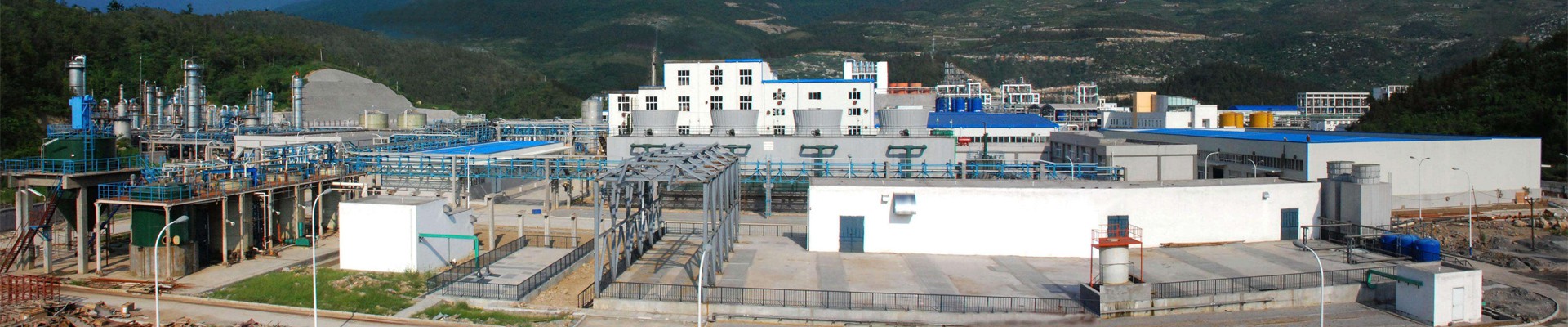
MOSINTER GROUP was founded in 2004. The head office is located in Ningbo, China. Production facilities are located in Zhejiang, Jiangsu and Shandon provinces in China. MOSINTER GROUP, specialized in the production and marketing of chemical products, has superior production equipment and a high-performance sales team, as well as advanced production technology, comprehensive quality management system and modernized testing methods.


FAQ
As one of the most professional polyurethane additive chemicals manufacturers and suppliers in China, we're featured by quality products and competitive price. Please rest assured to wholesale bulk polyurethane additive chemicals from our factory.