

EDTA-FeNa (CAS 15708-41-5): Iron Chelate Buying Guide
Written by: ALEN, Chemical Engineer, MOSINTER | 15 years in vitamin manufacturing and pharmaceutical APIs

Two weeks ago, a food manufacturing client called our technical team with a frustrating problem: they had switched iron fortificants three times in six months, and each supplier promised
"superior bioavailability" - yet their finished products kept developing that unpleasant metallic aftertaste. Sound familiar?
EDTA-FeNa (Ethylenediaminetetraacetic acid ferric sodium salt, CAS 15708-41-5) is a chelated iron compound where iron(III) ions are bound within an EDTA molecular cage. This structure makes iron significantly more bioavailable than traditional iron salts while preventing the oxidation reactions that cause off-flavors. The World Health Organization specifically recommends iron EDTA as the preferred fortificant for high-extraction wheat and maize flour (WHO Database).
This guide addresses everything procurement managers and formulators need to know - from chemical specifications to supplier evaluation criteria - based on 15 years of hands-on experience in chelate chemistry.
What Is EDTA-FeNa and How Does It Work?
Understanding why EDTA-FeNa outperforms conventional iron sources requires looking at what happens to iron in your digestive system.
In simple terms, EDTA-FeNa keeps iron soluble and absorbable even in high-phytate diets where other iron forms precipitate out. The chelation - essentially, EDTA's four carboxyl groups wrapping around the ferric ion - prevents iron from binding with phytic acid, polyphenols, and other absorption inhibitors common in cereals and legumes.
According to the PubChem compound database, the molecular formula is C10H12FeN2NaO8, with a molecular weight of 367.05 g/mol. The compound appears as a yellow to yellowish-brown crystalline powder with excellent water solubility.

Technical Specifications
|
Property |
Specification |
|
CAS Number |
15708-41-5 |
|
EINECS Number |
239-802-2 |
|
Molecular Formula |
C₁₀H₁₂FeN₂NaO₈ |
|
Molecular Weight |
367.05 g/mol (anhydrous) |
|
Appearance |
Yellow to brownish crystalline powder |
|
Melting Point |
~80°C (decomposition) |
|
Solubility (Water) |
>100 g/L at 20°C |
|
Iron Content |
12-13% (typical) |
|
pH (1% solution) |
3.5-5.5 |
Why Choose EDTA-FeNa Over Other Iron Sources?
After working with dozens of food and pharmaceutical clients, I have noticed a pattern: most initially resist switching to EDTA-FeNa because of higher per-kilogram costs. Then they calculate the actual cost-per-absorbed-iron.
EDTA-FeNa delivers 2-4 times higher iron bioavailability compared to ferrous sulfate in phytate-rich foods. This means you need significantly less iron to achieve the same nutritional impact - often offsetting the price difference entirely.
Research published in NIH PubMed Central confirms that iron EDTA absorption rates remain stable even when dietary phytate levels are high - a situation where ferrous sulfate absorption drops dramatically.
What most suppliers won't mention: the real cost savings come from reduced product reformulation. One bakery client reported spending over $40,000 reformulating recipes to mask iron's metallic taste before switching to EDTA-FeNa - a problem that simply doesn't exist with chelated iron.
Iron Source Comparison
|
Parameter |
EDTA-FeNa |
Ferrous Sulfate |
Ferric Pyrophosphate |
|
Bioavailability |
High (2-4x FeSO₄) |
Moderate |
Low |
|
Phytate Resistance |
Excellent |
Poor |
Poor |
|
Taste Impact |
Minimal |
Metallic |
Minimal |
|
Color Stability |
Good |
Poor (darkening) |
Excellent |
|
Solubility |
Excellent |
Good |
Poor |
|
Cost per kg |
Higher |
Lowest |
Moderate |
Key Applications of EDTA-FeNa
The versatility of EDTA-FeNa extends across multiple industries, though food fortification remains its dominant application.
Primary applications include: flour and cereal fortification, beverage iron enrichment, soy sauce fortification, animal feed supplementation, and agricultural micronutrient fertilizers.
In food fortification specifically, EDTA-FeNa maintains iron's stability throughout processing, storage, and cooking. This matters enormously for products like instant noodles or baked goods that undergo significant heat treatment.
For soy sauce manufacturers - a major application in Asian markets - EDTA-FeNa dissolves completely without affecting the product's characteristic flavor profile or causing precipitation during storage. Our laboratory tests show no detectable change in sensory properties at fortification levels up to 40 mg Fe/100mL.
Agricultural applications leverage EDTA-FeNa's excellent chelation stability to deliver iron to plants through foliar sprays or drip irrigation systems, particularly in alkaline soils where iron availability is naturally limited.

How to Evaluate EDTA-FeNa Suppliers?
Supplier selection can determine whether your iron fortification program succeeds or becomes an ongoing headache. I have seen procurement teams focus exclusively on price, only to face batch-to-batch consistency issues that disrupted their production schedules.
The critical factors are: iron content consistency (should be 12-13% with <0.5% batch variation), heavy metal impurity levels, moisture content, and the supplier's analytical capabilities.
Supplier Evaluation Checklist
Request Certificate of Analysis (COA) with iron content, moisture, and heavy metals
Verify manufacturing facility certifications (ISO 9001, GMP, FSSC 22000)
Ask for batch-to-batch iron content data from previous shipments
Confirm lead time reliability and buffer stock policies
Evaluate technical support responsiveness for formulation questions
Check regulatory documentation availability (FDA GRAS status, JECFA evaluation)
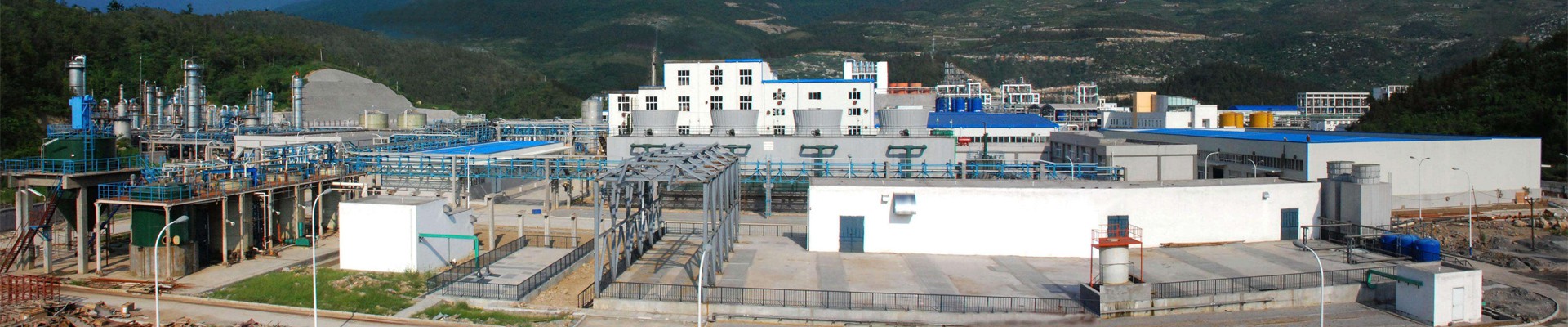
MOSINTER maintains detailed batch records going back over a decade, and we provide full traceability documentation as standard - not an add-on service. Our quality control laboratory tests every production batch against JECFA specifications.

Regulatory Status and Safety
Before incorporating EDTA-FeNa into your products, understanding the regulatory landscape is essential.
EDTA-FeNa is approved for food fortification use in the United States (FDA GRAS), European Union (EFSA approved), China, India, Australia/New Zealand, and most Latin American countries.
The Joint FAO/WHO Expert Committee on Food Additives (JECFA) has established an acceptable daily intake (ADI) of 2.5 mg EDTA/kg body weight. At typical fortification levels (8-30 mg iron per serving), consumers remain well within safety margins.
|
Market |
Regulatory Body |
Status |
|
United States |
FDA |
GRAS approved (21 CFR 172) |
|
European Union |
EFSA |
Approved (2010) |
|
International |
JECFA/Codex |
Safe for fortification |
|
China |
NHFPC |
Approved (GB 14880) |
Frequently Asked Questions
What is the difference between EDTA-FeNa and ferrous sulfate?
EDTA-FeNa is a chelated iron compound where iron is protected within an EDTA molecular structure. This protection prevents iron from reacting with food components (phytates, tannins) that reduce absorption. Ferrous sulfate is a simple iron salt that readily interacts with these inhibitors, resulting in lower bioavailability - especially in cereal-based diets.
Is EDTA-FeNa safe for food applications?
Yes. The WHO, FDA, and EFSA have all evaluated EDTA-FeNa and approved its use in food fortification programs. JECFA established safety guidelines in 1993, and decades of use in fortification programs worldwide have demonstrated its safety profile.
What purity level should I specify for food-grade EDTA-FeNa?
Food-grade EDTA-FeNa should have a minimum purity of 98%, iron content of 12-13%, heavy metals below 10 ppm, and lead below 1 ppm. Always request a Certificate of Analysis confirming these specifications before approving shipments.
How should EDTA-FeNa be stored?
Store in a cool, dry place (below 25°C) in tightly sealed containers away from direct sunlight. Under proper storage conditions, EDTA-FeNa maintains stability for at least 24 months. Avoid exposure to moisture, which can cause caking and reduce dissolution rates.
What is the minimum order quantity for EDTA-FeNa?
MOSINTER's minimum order quantity is 10 metric tons, with production capacity of 50,000 tons annually. We offer flexible packaging options according to customer requirements and typically deliver within 7 days of order confirmation.
Partner with an Experienced EDTA-FeNa Manufacturer
Selecting the right iron source directly impacts your product's nutritional efficacy, sensory quality, and regulatory compliance. EDTA-FeNa offers a proven solution backed by decades of scientific research and global regulatory approval.

Ready to discuss your EDTA-FeNa requirements?
Contact our technical team for specifications, pricing, and sample requests:
WhatsApp: +86 189 8930 5995
Email: info1@mosinterchem.com
Product Page: www.moschemical.com/chelating-agent/edta-fena-cas-15708-41-5-edta-ferric-sodium.html
Related Products:
EDTA Chelating Agents Overview
━━━━━━━━━━━━━━━━━━━━━━━━━━━━━━━━━━━━━━━━
Last Updated: January 2026