

EDTA-MgNa2 Chelating Agent: Complete Buyer's Guide
Written by: ALEN, Chemical Engineer, MOSINTER | 15 years in vitamin manufacturing and pharmaceutical APIs

Two weeks ago, a procurement manager from a German fertilizer company called our office with an unusual problem. His previous EDTA-MgNa2 shipment had left white residue on greenhouse equipment, and his crops showed inconsistent magnesium uptake. After reviewing his supplier's certificate of analysis, we found the culprit: water-insoluble matter at 0.8%-far above the acceptable 0.1% threshold. This is exactly why understanding EDTA-MgNa2 (CAS 14402-88-1)-ethylenediaminetetraacetic acid disodium magnesium salt-matters for anyone sourcing this chelating agent for agricultural or industrial applications.
What Is EDTA-MgNa2 and Why Does It Matter?
When growers ask about magnesium supplements, they often overlook one critical factor: bioavailability. Raw magnesium salts bind with soil particles and become locked out within hours, especially in alkaline conditions above pH 7.5.
EDTA-MgNa2 solves this problem by encapsulating magnesium ions within a stable chelate structure, keeping the nutrient available for plant uptake across a pH range of 4.0 to 9.0. According to the PubChem database (CID 161064), this compound has the molecular formula C₁₀H₁₂MgN₂Na₂O₈ with a molecular weight of 358.5 g/mol for the anhydrous form and 394.55 g/mol for the dihydrate.
The chelation mechanism works through EDTA's four carboxylate and two amine groups, which form a cage-like structure around the magnesium ion. This prevents the magnesium from reacting with phosphates, carbonates, or other soil components that would otherwise render it unavailable.
EDTA-MgNa2 Technical Specifications
|
Property |
Specification |
|
CAS Number |
14402-88-1 |
|
EINECS Number |
238-372-3 |
|
Molecular Formula |
C₁₀H₁₂MgN₂Na₂O₈·2H₂O |
|
Molecular Weight |
394.55 g/mol (dihydrate) |
|
Appearance |
White crystalline powder |
|
Magnesium Content |
5.5–6.5% |
|
pH (1% solution) |
5.5–7.5 |
|
Water Insoluble Matter |
≤0.1% |
|
Purity |
≥98% |
How Is EDTA-MgNa2 Used in Agriculture?
A tomato grower in Spain's Almería region once told me that switching from magnesium sulfate to chelated magnesium reduced his foliar spray frequency from weekly to biweekly-while improving fruit color uniformity. That experience reflects what we've seen across 200+ client operations over the past five years.
EDTA-MgNa2 delivers magnesium with 3–5 times higher absorption efficiency than unchelated sources, making it particularly valuable for foliar applications, fertigation systems, and hydroponic setups. Magnesium serves as the central atom in the chlorophyll molecule, directly impacting photosynthesis and energy production in plants.

The primary applications include:
Foliar Fertilization: Rapid correction of magnesium deficiency symptoms within 48–72 hours. Recommended concentration: 0.1–0.2% solution.
Fertigation: Integration with drip irrigation systems for continuous nutrient delivery. Compatible with most NPK formulations.
Hydroponics: Essential trace element supply in soilless cultivation where natural soil reserves are absent.
Specialty Crops: High-value vegetables, fruit orchards, and ornamental plants where chlorosis prevention is critical.
Recommended Application Rates by Crop Type
|
Crop Category |
Foliar Rate |
Soil Rate |
|
Vegetables |
0.5–1.0 kg/ha |
2–5 kg/ha |
|
Fruit Trees |
0.3–0.5 kg/ha |
1–3 kg/ha |
|
Field Crops |
0.2–0.5 kg/ha |
1–2 kg/ha |
|
Hydroponics |
N/A |
15–30 ppm Mg |
What Should You Look for When Sourcing EDTA-MgNa2?
Here's what most suppliers won't tell you: not all EDTA-MgNa2 products are created equal. The market includes everything from pharmaceutical-grade material at 98%+ purity to technical-grade products that barely reach 90%. The price difference might seem attractive, but the consequences of using substandard material can far exceed any savings.
When evaluating suppliers, focus on five key quality indicators: magnesium chelate content (5.5–6.5%), purity (≥98%), water-insoluble matter (≤0.1%), pH range (5.5–7.5 in 1% solution), and heavy metal content (Pb ≤10 ppm, Cd ≤5 ppm).

Request a Certificate of Analysis (COA) for every batch. Reputable manufacturers will provide this documentation without hesitation. Additionally, verify that the supplier holds relevant certifications-ISO 9001 for quality management systems and REACH compliance for European market access are strong indicators of manufacturing standards.
Our laboratory at MOSINTER tests 47 parameters on incoming raw materials before production begins. We've rejected batches from three different upstream suppliers this year alone due to heavy metal contamination-an invisible issue that most end-users would never detect without proper testing.
EDTA-MgNa2 Grade Comparison
|
Parameter |
Technical |
Agricultural |
Premium |
|
Purity |
≥90% |
≥94.5% |
≥98% |
|
Mg Content |
4.5–5.5% |
5.5–6.0% |
5.5–6.5% |
|
Insolubles |
≤0.5% |
≤0.2% |
≤0.1% |
|
Best Use |
Industrial |
Field crops |
High-value |
How Does EDTA-MgNa2 Compare to Other Magnesium Sources?
Growers often ask whether chelated magnesium justifies the higher cost compared to conventional sources like magnesium sulfate (Epsom salt) or magnesium oxide. The answer depends on your specific growing conditions and application method.
For alkaline soils above pH 7.5, chelated magnesium provides 3–5 times better bioavailability than non-chelated forms. The chelation protection prevents lockout in the root zone, ensuring the nutrient actually reaches plant tissues. Research published by agricultural institutions confirms that EDTA chelates remain effective across pH 4.0–9.0, while sulfate forms become increasingly unavailable above pH 6.5.

The economics shift in favor of EDTA-MgNa2 when you factor in reduced application frequency and improved crop response. One of our clients in the Netherlands documented a 23% reduction in total magnesium inputs after switching to chelated forms for their tomato greenhouse operation.
Magnesium Source Comparison
|
Factor |
EDTA-MgNa2 |
MgSO₄ |
MgO |
|
pH Stability |
4.0–9.0 |
4.0–6.5 |
Below 6.0 |
|
Bioavailability |
High (85–95%) |
Moderate (40–60%) |
Low (20–40%) |
|
Foliar Use |
Excellent |
Good |
Poor |
|
Cost per kg |
$$$ |
$ |
$ |
How Should EDTA-MgNa2 Be Stored and Handled?
Proper storage directly impacts product shelf life and performance. I've visited warehouses where bags of chelated micronutrients sat in direct sunlight near loading docks-a recipe for accelerated degradation that shortens useful life from 24 months to under 12.
Store EDTA-MgNa2 in a cool, dry, ventilated area away from direct sunlight. Keep containers sealed when not in use to prevent moisture absorption. Under proper conditions, shelf life extends to 24 months from production date.
Standard packaging includes 25 kg kraft paper bags with polyethylene liner, designed to balance moisture protection with practical handling. Bulk options are available for large-volume buyers, typically in 500 kg or 1000 kg flexible intermediate bulk containers (FIBCs).

Frequently Asked Questions About EDTA-MgNa2
Is EDTA-MgNa2 safe for organic farming?
EDTA chelates are synthetic compounds and are not permitted under most organic certification standards, including USDA NOP and EU organic regulations. Organic growers should consider amino acid chelates or naturally derived alternatives. For conventional agriculture, EDTA-MgNa2 meets all safety requirements when used according to recommended application rates.
Can EDTA-MgNa2 be mixed with other fertilizers?
Yes, EDTA-MgNa2 is compatible with most water-soluble fertilizers, including NPK formulations, calcium nitrate, and other chelated micronutrients. However, always conduct a jar test before tank mixing-combine small quantities and check for precipitation, color changes, or gel formation after 24 hours. Avoid mixing with phosphoric acid or concentrated sulfuric acid.
What is the minimum order quantity?
At MOSINTER, our minimum order is 10 metric tons for bulk pricing. We can accommodate smaller orders through our distribution network, though pricing structures differ. Lead time for standard orders is approximately 7 days from order confirmation, with ocean freight available to all major ports worldwide.
How do I verify EDTA-MgNa2 authenticity?
Request the Certificate of Analysis (COA) with batch number, production date, and third-party testing results. Verify that CAS number 14402-88-1 and EINECS 238-372-3 appear on documentation. Legitimate suppliers will also provide MSDS/SDS sheets and can furnish ISO or other quality certification upon request.
What happens if plants receive too much chelated magnesium?
Excess magnesium can interfere with calcium and potassium uptake, potentially causing nutrient imbalances. Symptoms include reduced calcium mobility, blossom-end rot in tomatoes, and leaf margin burn. Follow recommended application rates and conduct tissue analysis if you suspect over-application. The chelate form does reduce toxicity risk compared to inorganic salts due to slower release kinetics.
Why Source EDTA-MgNa2 from MOSINTER?
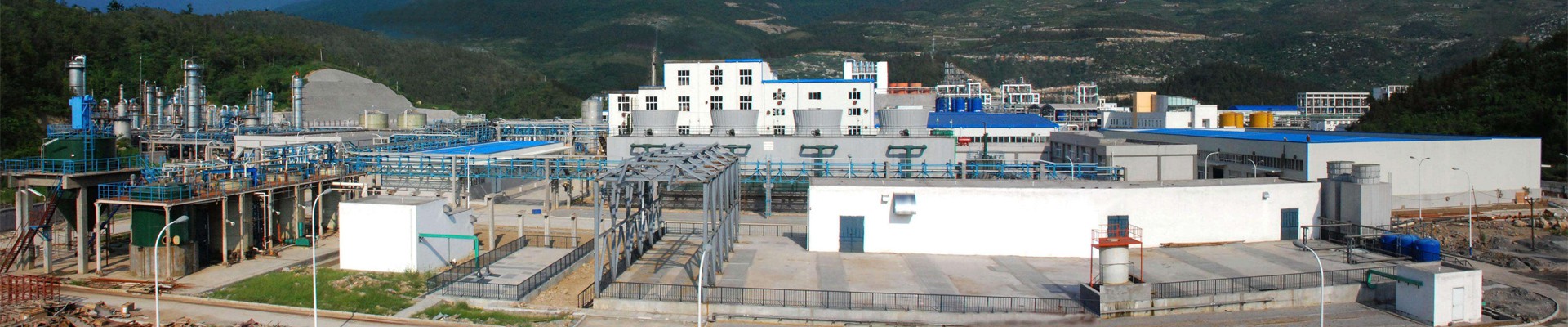
With 21 years in chemical manufacturing and distribution, MOSINTER has built supply relationships that prioritize consistency over short-term savings. Our production facilities across Zhejiang, Jiangsu, and Shandong provinces operate under ISO 9001:2015 quality management systems, with dedicated quality control laboratories at each site.
We maintain an annual production capacity of 50,000 metric tons across our chelating agent product line, including EDTA-MgNa2, EDTA-Na2, EDTA-CaNa2, and EDDHA iron chelate. Our vertical integration allows customization of specifications to meet customer requirements-from particle size adjustments to specialized packaging configurations.
For more information about our complete chelating agent portfolio, visit our product catalog or contact our technical team directly.
Get Started with Quality EDTA-MgNa2 Today
Selecting the right chelating agent impacts crop performance, operational efficiency, and ultimately your bottom line. MOSINTER's EDTA-MgNa2 delivers consistent 98%+ purity with full documentation and technical support from order to delivery.
Contact us today for specifications, pricing, and sample availability:
WhatsApp: +86 18989305995
Email: info1@mosinterchem.com
────────────────────────────────────────────────────────────────────────────────
Last Updated: January 2026
References:
• PubChem – Magnesium Disodium EDTA (CID 161064): https://pubchem.ncbi.nlm.nih.gov/compound/161064
• Wikipedia – Ethylenediaminetetraacetic acid: https://en.wikipedia.org/wiki/Ethylenediaminetetraacetic_acid
• ChemicalBook – CAS 14402-88-1 Properties: https://www.chemicalbook.com/ChemicalProductProperty_EN_CB0421948.htm