

Hydrogen peroxide decomposition costs paper mills thousands of dollars annually in wasted chemicals. Many manufacturers struggle with inconsistent bleaching results, despite following standard protocols. Could your choice of chelating agent be the hidden culprit?
For hydrogen peroxide bleaching in pulp and paper mills, DTPA (diethylenetriaminepentaacetic acid) significantly outperforms EDTA. With formation constants approximately 100 times higher than EDTA and superior performance in alkaline environments up to pH 7.5, DTPA provides more effective protection against metal-catalyzed peroxide decomposition, reducing chemical costs by 15-30% while improving pulp brightness.

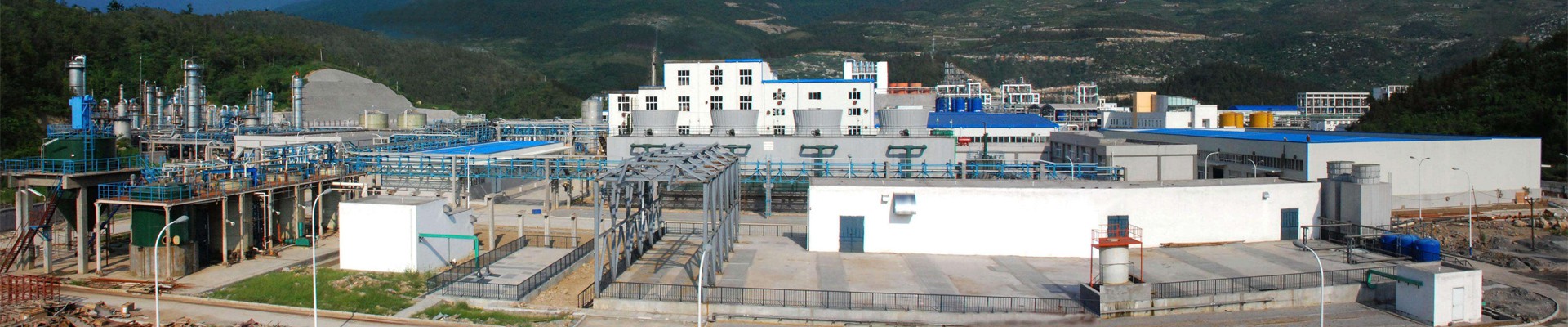
As a leading chelating agent manufacturer with over 50,000 tons annual production capacity, MOSINTER has spent years optimizing DTPA formulations for industrial applications. In this comprehensive guide, we'll explain the science behind why DTPA consistently outperforms EDTA in pulp bleaching and how you can optimize your bleaching process.
What is DTPA and How Does It Work in Pulp Bleaching?
Paper mills face a persistent challenge: transition metal ions like iron (Fe), manganese (Mn), and copper (Cu) naturally present in wood pulp catalyze the decomposition of hydrogen peroxide before it can effectively bleach the fibers. This not only wastes expensive bleaching chemicals but also generates harmful radicals that damage pulp fibers.
DTPA (Diethylenetriaminepentaacetic acid, CAS 67-43-6) is a powerful chelating agent that solves this problem by forming stable, water-soluble complexes with these metal ions. Once chelated, the metals become inactive and can no longer catalyze peroxide decomposition. This preserves the oxidation capacity of hydrogen peroxide, allowing it to work as intended.
Key advantages of DTPA in pulp bleaching:
Chelates Fe, Mn, and Cu ions more effectively than EDTA
Remains stable and effective at higher pH levels (up to 7.5)
Forms up to 8 coordination bonds (vs. 6 for EDTA)
Reduces hydrogen peroxide consumption by 15-30%
Improves final pulp brightness and reduces yellowing
DTPA vs EDTA: What's the Real Difference in Performance?
While both DTPA and EDTA are aminopolycarboxylic acid chelating agents, their molecular structures create significant performance differences. Understanding these differences is crucial for optimizing your bleaching process.
|
Property |
DTPA |
EDTA |
|
Molecular Structure |
5 carboxyl groups + 3 nitrogen atoms |
4 carboxyl groups + 2 nitrogen atoms |
|
Maximum Coordination Bonds |
8 (octadentate) |
6 (hexadentate) |
|
Formation Constant |
~100x higher than EDTA |
Baseline |
|
Effective pH Range |
4.0 - 7.5 |
4.0 - 6.5 |
|
Fe Chelation at pH 7 |
Excellent (stable) |
Poor (50% precipitation) |
|
Redox Metal Deactivation |
Superior (Fe/Mn/Cu) |
Good |
|
H2O2 Protection |
15-30% less consumption |
Moderate protection |
The data clearly shows that DTPA's more complex molecular structure gives it a decisive advantage in chelating transition metals, especially in the alkaline conditions typical of TCF (Totally Chlorine Free) and ECF (Elemental Chlorine Free) bleaching processes.
How Does DTPA Prevent Hydrogen Peroxide Decomposition?
The mechanism behind DTPA's effectiveness lies in its ability to interrupt the Fenton reaction. Here's how it works:
Metal Ion Sequestration: DTPA wraps around Fe2+, Mn2+, and Cu2+ ions, forming stable chelate complexes that prevent the metals from participating in redox reactions.
Radical Prevention: By deactivating transition metals, DTPA prevents the formation of hydroxyl radicals (OH•) that would otherwise attack pulp fibers and cause strength loss.
Peroxide Preservation: With metals chelated, hydrogen peroxide remains stable longer, allowing it to fully oxidize lignin and chromophores for maximum brightness gain.
Alkaline Earth Retention: Unlike some aggressive chelators, DTPA selectively targets harmful transition metals while leaving beneficial Mg2+ and Ca2+ ions that help stabilize peroxide.
What Are the Main Industrial Applications of DTPA?
Beyond pulp and paper bleaching, DTPA's superior chelating properties make it valuable across multiple industries:
Pulp & Paper Industry: H2O2 bleaching stabilizer, preventing peroxide decomposition and improving pulp brightness in TCF/ECF processes
Agriculture & Fertilizers: DTPA-chelated iron and micronutrients remain stable at pH 4.0-7.5, ideal for hydroponics and alkaline soils
Textile Industry: Eliminates metal ion interference in bleaching and dyeing, ensuring color consistency and stability
Water Treatment: Chelates heavy metals (Pb, Cd, Hg) for scale prevention and corrosion control
Cosmetics (150+ products): Stabilizes formulations by deactivating metal-catalyzed degradation
Pharmaceutical/Medical: Chelates gadolinium for MRI contrast agents; Ca/Zn-DTPA FDA-approved for radioactive decontamination

MOSINTER DTPA: Premium Quality Specifications
At MOSINTER, we manufacture high-purity DTPA that consistently exceeds industry standards. Our rigorous quality control ensures reliable performance in your applications.
|
Parameter |
Standard |
MOSINTER Result |
|
Appearance |
White crystalline powder |
Conform ✓ |
|
Assay (C14H23N3O10) |
≥99.0% |
99.4% ✓ |
|
Heavy Metal (Pb) |
≤0.001% |
0.0003% ✓ |
|
Iron (Fe) |
≤0.001% |
0.0003% ✓ |
|
pH (1% solution, 25°C) |
2.1-2.5 |
2.28 ✓ |
|
Chelation Value (pH=11) |
≥252 mgCaCO3/g |
253 ✓ |
|
Loss on Drying |
≤0.2% |
0.07% ✓ |
Why Choose MOSINTER for Your DTPA Supply?
50,000 tons/year production capacity - reliable supply for large-scale industrial needs
99.4% purity - exceeds industry standard of 99.0%
Ultra-low heavy metals - Pb and Fe at 0.0003% (3x better than specification)
Fast delivery - 7-day lead time for standard orders
Flexible packaging - customized according to customer requirements
Technical support - application guidance from experienced team
Conclusion
When comparing DTPA vs EDTA for pulp bleaching and other industrial chelation applications, the science is clear: DTPA's superior formation constants, wider effective pH range, and stronger binding capacity for redox-active metals make it the better choice for demanding applications. While EDTA may be suitable for acidic environments below pH 6.5, DTPA provides reliable performance across the full range of conditions encountered in modern TCF and ECF bleaching processes.
For paper mills looking to reduce hydrogen peroxide consumption, improve pulp brightness, and optimize chemical costs, switching from EDTA to high-purity DTPA is a proven strategy with measurable ROI.
Ready to optimize your bleaching process with premium DTPA?
Contact MOSINTER's technical team for product samples, specifications, and application guidance.
Email: sales@mosinterchem.com
WhatsApp: +86-18989305995
Website: www.mosinterchem.com
---
SEO Keywords: DTPA chelating agent, DTPA vs EDTA, hydrogen peroxide stabilizer, pulp bleaching chelator, DTPA CAS 67-43-6, diethylenetriaminepentaacetic acid supplier, chelating agent manufacturer China
Internal Links to Add:
• Product page: https://www.mosinterchem.com/Diethylenetriaminepentaacetic-Acid-CAS-67-43-6-pd47865175.html
• Water Treatment Chemicals: https://www.mosinterchem.com/Water-Treatment-Chemicals-pl3890844.html
• Contact page: https://www.mosinterchem.com/contactus.html